
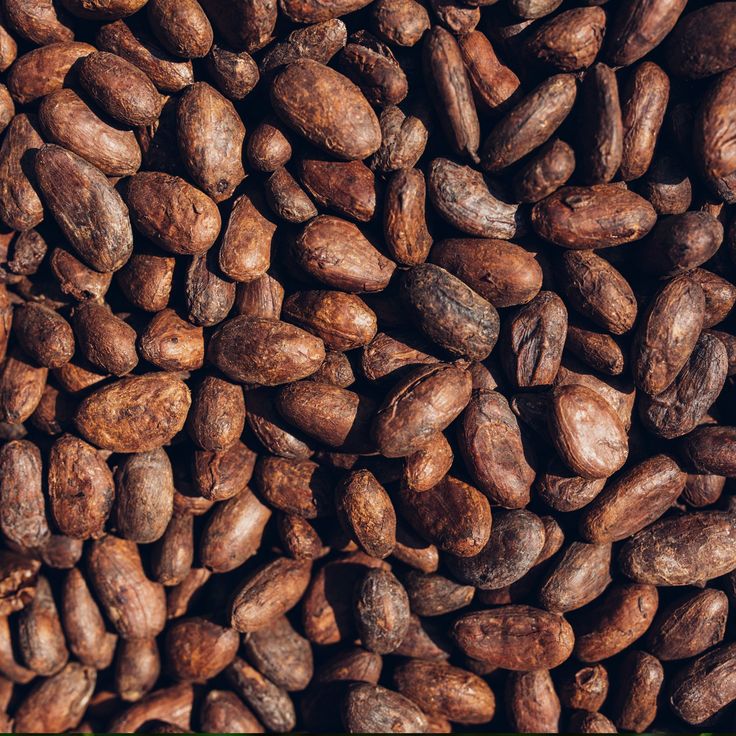
Cocoa fermentation is one of the most critical—yet often least understood—steps in the journey from fresh cocoa pod to fine chocolate. It is a complex biochemical transformation that determines nearly 60%–70% of the final flavor potential of cocoa beans, according to studies by the International Cocoa Organization (ICCO). For regions like Madagascar, where cocoa is prized worldwide for its naturally fruity and aromatic profile, fermentation is not just a technical requirement; it is the foundation of quality itself. Understanding how fermentation works, why it matters, and what makes Malagasy methods unique helps buyers appreciate the true craftsmanship behind every batch of Madagascar cocoa.
The fermentation process begins immediately after pods are opened. Fresh cocoa beans are covered in a sweet, mucilaginous pulp rich in sugars, acids, and yeasts. When the beans are heaped into wooden boxes, banana-leaf-lined baskets, or traditional heaps on the ground, microorganisms naturally present in the environment begin to act on the pulp. In the first 24 to 48 hours, yeast species such as Saccharomyces cerevisiae convert the pulp sugars into alcohol, creating the warm, fruity aromas characteristic of high-quality fine-flavor cocoa. This marks the start of a chain reaction that transforms flavor precursors inside the bean.
As fermentation progresses, oxygen enters the mass through regular turning and drainage, allowing lactic acid bacteria and acetic acid bacteria to take over. These microorganisms convert alcohol into lactic and acetic acids, raising the internal temperature of the bean mass to 45–50°C. This heat, combined with acidity, triggers a series of internal reactions: the embryo dies, cell walls break down, proteins are broken into amino acids, and natural sugars combine to form flavor precursors. These compounds will later deepen and mature during drying and roasting, eventually becoming the floral, fruity, chocolaty, or nutty notes that define the identity of each cocoa origin.
Fermentation is particularly important for Madagascar cocoa because of its unique genetic profile. Malagasy beans are mostly Criollo–Trinitario hybrids, classified by ICCO as fine-flavor cocoa—representing less than 10% of the world’s production. These varieties contain higher concentrations of polyphenols, terpenes, and aromatic precursors than bulk Forastero beans found in West Africa. When properly fermented, these precursors transform into distinctive flavor notes such as red berries, citrus, wine-like acidity, and floral undertones. Improper fermentation, however, would suppress these delicate characteristics, resulting in bitterness, astringency, or flat flavor. This is why farmers in the Sambirano Valley are known for rigorous fermentation practices honed over generations.
The duration of fermentation plays a crucial role. In Madagascar, cocoa is typically fermented for five to seven days, with turning every 24 to 48 hours. The timing must be precise: underfermentation results in grassy or harsh flavors, while over-fermentation leads to mold, excessive acidity, and off-notes. Farmers monitor temperature, smell, bean color, and pulp liquefaction to determine the perfect endpoint. A well-fermented Malagasy bean shows a brownish interior with evenly distributed coloration, a reduced bitterness profile, and a strong, clean cocoa aroma even before roasting.
A key element of Madagascar’s fermentation tradition is the use of wooden boxes made from local hardwood, which absorb and hold beneficial microorganisms that support consistent fermentation batches. These microflora, unique to the region, contribute to the signature flavor profile that international chocolate makers value so highly. Research by the Fine Cacao and Chocolate Institute suggests that environmental microbiota can influence up to 20% of flavor differentiation between origins—meaning that even if the same bean variety were planted elsewhere, it would not replicate Madagascar’s taste without its microbial ecosystem.
Beyond flavor, fermentation has economic and quality implications. Properly fermented cocoa commands higher prices on the specialty market. Buyers assess cut tests, checking for uniform brown color and internal structural breakdown associated with good fermentation. Madagascar beans consistently rank among the highest-scoring origins in international competitions and auctions, often selling at premium rates two to four times higher than bulk cocoa prices. This premium supports smallholder farmers, allowing them to maintain traditional practices rather than shifting toward industrial monoculture systems that prioritize volume over quality.
Fermentation also impacts sustainability. Because fine-flavor cocoa like Madagascar’s requires careful post-harvest handling, farms tend to operate on smaller scales with agroforestry systems. Cocoa grows under shade trees rather than in large open plantations. The slower pace and attention to detail in fermentation align naturally with environmentally friendly farming methods— maintaining soil fertility, protecting biodiversity, and reducing chemical dependency.
For buyers seeking the best cocoa in the world, understanding fermentation is essential. It is the invisible craftsmanship behind every bean, shaping the aromas, acidity balance, smoothness, and complexity that define premium chocolate. Madagascar’s exceptional fermentation traditions amplify the region’s natural advantage: a rare genetic profile, rich volcanic soils, and a climate that encourages vibrant flavor development.
In the end, fermentation is not just a technical process—it is an art form. It is the invisible bridge between the farm and the chocolate bar, between the farmer’s expertise and the buyer’s experience. And in Madagascar, that art form has been perfected over generations, making its cocoa truly one of the most celebrated origins in the world.