
Blogs

Insights and expertise from the world of fine cocoa.

Untitled design - 2025-12-09T153553.347

Why Madagascar Cocoa Is Considered the Finest in the World

When the global chocolate industry speaks about the world’s most exceptional cocoa origins, Madagascar consistently appears at the top of the list. Although the country contributes less than half a percent to global cocoa production, its reputation far exceeds its volume. Madagascar is one of the very few nations officially recognized by the International Cocoa Organization (ICCO) as a 100% fine-flavor cocoa origin, a distinction awarded only to regions capable of producing cocoa with remarkable aromatic complexity, superior fermentation potential, and distinctive sensory signatures. This rare status alone elevates Madagascar into an elite category, making its cocoa highly sought after by bean-to-bar chocolatiers, gourmet food brands, and luxury confectionery manufacturers across the world.

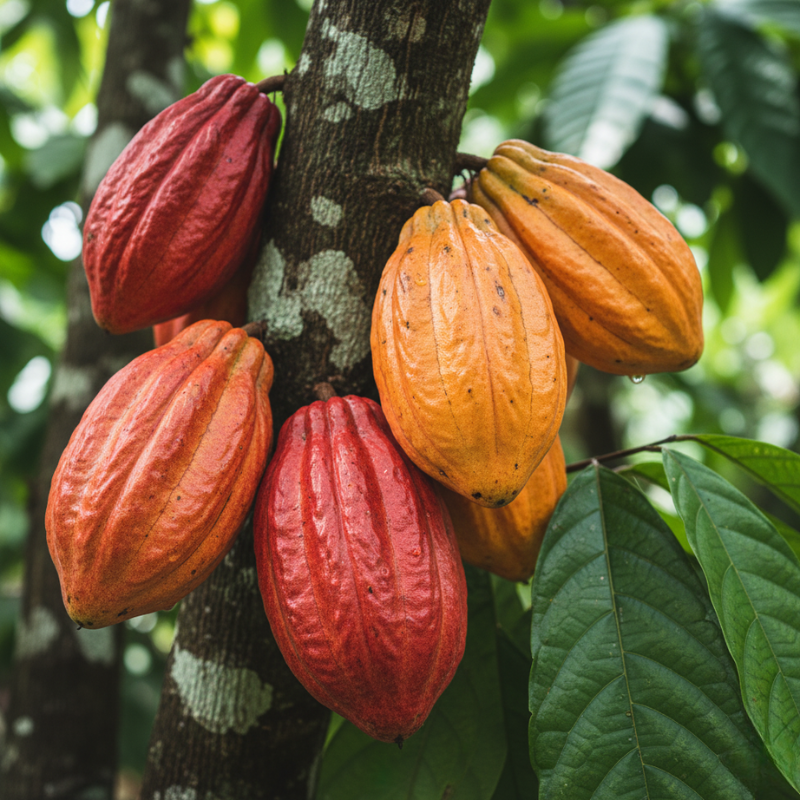
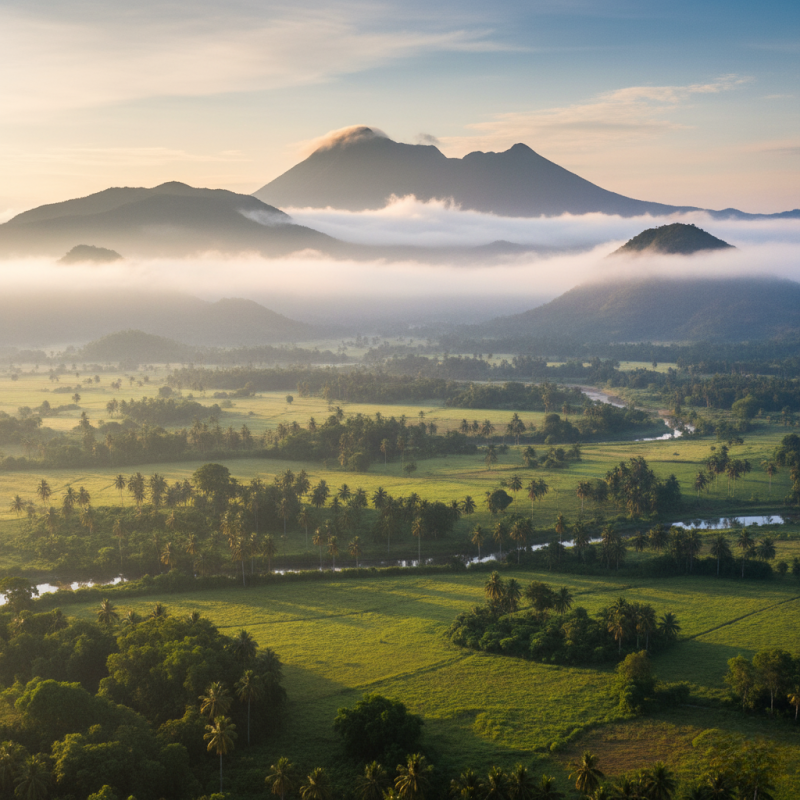
The exceptional quality of Madagascar cocoa begins with the island’s natural environment. Much of the country’s cocoa comes from the Sambirano Valley in the northwest, a region often referred to as the “Bordeaux of Cocoa” because of its agricultural richness and microclimatic stability. The Sambirano basin benefits from fertile volcanic soil enriched with minerals, steady year-round humidity, and gentle rainfall patterns that protect cocoa trees from climatic shocks. Dense forest cover acts as a natural shade, ensuring slow and balanced pod maturation. More than ninety percent of Madagascar’s flora and fauna are endemic, contributing to a unique ecosystem where the cocoa tree thrives without intensive chemical intervention. This combination of biodiversity and climate is one of the primary reasons why Madagascar’s cocoa develops such a vibrant and complex flavor profile.

What truly sets Madagascar cocoa apart is its unmistakable taste. Unlike most African cocoa, which tends to be deep, earthy, and bitter, Madagascar cocoa is naturally bright, fruity, and almost wine-like. It is known for notes of red berries, citrus fruits, tropical fruit, and subtle floral undertones. These flavors emerge not because of artificial processes but because of the island’s unique genetic varieties and terroir. Multiple sensory studies—including evaluations by the Heirloom Cacao Preservation Fund—have consistently shown that Madagascan cocoa scores among the highest in the world for aromatic intensity and fruity acidity. For chocolatiers, these characteristics translate into bars and couvertures that stand out immediately to consumers.

The post-harvest process further enhances this uniqueness. Cocoa from Madagascar responds extremely well to fermentation, allowing the natural acids and sugars within the beans to transform into nuanced aroma compounds. Research from the University of Antananarivo has shown that properly fermented Madagascan cocoa contains significantly higher concentrations of beneficial aromatic molecules—such as esters and aldehydes—when compared to standard bulk cocoa from other African regions. These compounds are associated with pleasant fruity and floral notes, creating chocolate that requires less added sugar and fewer additives to achieve superior taste. The fermentation and drying stages in Madagascar are often handled by smallholder farmers who follow traditional, meticulous methods, contributing to consistent quality and full traceability from farm to export.

Smallholder agriculture also brings another advantage: transparency. More than eighty-five percent of Madagascar’s cocoa is cultivated on small family farms, usually no larger than a couple of hectares. This means cocoa is harvested by hand, sorted with care, and transported in small batches that are easier to monitor for quality. Global chocolate producers increasingly value traceability, both for safety and for storytelling purposes. Madagascar naturally offers this advantage, giving buyers confidence that the cocoa they receive is clean, unadulterated, and ethically produced. Companies like Valrhona, Pralus, Dandelion Chocolate, and Cacao Barry have long recognized the consistency of Madagascar’s supply chain, which is why Madagascar-origin chocolate frequently wins international awards and gold medals in competitions such as the Academy of Chocolate Awards.

Madagascar’s cocoa sector has another built-in strength: its alignment with environmental sustainability. The island’s cocoa is predominantly shade-grown within agroforestry systems that preserve biodiversity and reduce the need for synthetic inputs. Many farms operate semiorganically even without certification, simply because chemicals are expensive and unnecessary in such fertile terrain. Reports by the Madagascar Institute of Cocoa and Agriculture (MICA) indicate that nearly three-quarters of Sambirano farms use organic or near-organic methods, further enhancing the natural purity of the beans. For international buyers, this offers an added layer of assurance, especially as consumer demand shifts towards ethical, environmentally responsible products.

For manufacturers, choosing Madagascar cocoa is not merely a matter of quality—it is a strategic decision. Madagascar beans create chocolate with a naturally intense flavor, meaning manufacturers often need smaller quantities to achieve a rich aromatic presence. This improves the cost-to-flavor ratio and elevates brand value, as consumers increasingly seek single-origin chocolate with identifiable origins and unique tasting stories. Madagascar provides exactly that: a clear geographic identity, a consistent sensory signature, and a reputation that immediately adds premium value to any chocolate line.

In a world saturated with mass-produced cocoa, Madagascar remains a boutique origin with global prestige. Its rare genetics, exceptional terroir, careful fermentation traditions, sustainable farming systems, and consistent traceability make its cocoa among the most respected on the planet. For chocolate makers who want their products to stand apart—both in quality and authenticity— Madagascar cocoa is not simply an option. It is a benchmark.
Cocoa Absolute (Theobroma cacao) France - 3_75ml

Understanding Cocoa Fermentation: The Science Behind Exceptional Flavor

Cocoa fermentation is one of the most critical—yet often least understood—steps in the journey from fresh cocoa pod to fine chocolate. It is a complex biochemical transformation that determines nearly 60%–70% of the final flavor potential of cocoa beans, according to studies by the International Cocoa Organization (ICCO). For regions like Madagascar, where cocoa is prized worldwide for its naturally fruity and aromatic profile, fermentation is not just a technical requirement; it is the foundation of quality itself. Understanding how fermentation works, why it matters, and what makes Malagasy methods unique helps buyers appreciate the true craftsmanship behind every batch of Madagascar cocoa.

The fermentation process begins immediately after pods are opened. Fresh cocoa beans are covered in a sweet, mucilaginous pulp rich in sugars, acids, and yeasts. When the beans are heaped into wooden boxes, banana-leaf-lined baskets, or traditional heaps on the ground, microorganisms naturally present in the environment begin to act on the pulp. In the first 24 to 48 hours, yeast species such as Saccharomyces cerevisiae convert the pulp sugars into alcohol, creating the warm, fruity aromas characteristic of high-quality fine-flavor cocoa. This marks the start of a chain reaction that transforms flavor precursors inside the bean.

As fermentation progresses, oxygen enters the mass through regular turning and drainage, allowing lactic acid bacteria and acetic acid bacteria to take over. These microorganisms convert alcohol into lactic and acetic acids, raising the internal temperature of the bean mass to 45–50°C. This heat, combined with acidity, triggers a series of internal reactions: the embryo dies, cell walls break down, proteins are broken into amino acids, and natural sugars combine to form flavor precursors. These compounds will later deepen and mature during drying and roasting, eventually becoming the floral, fruity, chocolaty, or nutty notes that define the identity of each cocoa origin.

Fermentation is particularly important for Madagascar cocoa because of its unique genetic profile. Malagasy beans are mostly Criollo–Trinitario hybrids, classified by ICCO as fine-flavor cocoa—representing less than 10% of the world’s production. These varieties contain higher concentrations of polyphenols, terpenes, and aromatic precursors than bulk Forastero beans found in West Africa. When properly fermented, these precursors transform into distinctive flavor notes such as red berries, citrus, wine-like acidity, and floral undertones. Improper fermentation, however, would suppress these delicate characteristics, resulting in bitterness, astringency, or flat flavor. This is why farmers in the Sambirano Valley are known for rigorous fermentation practices honed over generations.

The duration of fermentation plays a crucial role. In Madagascar, cocoa is typically fermented for five to seven days, with turning every 24 to 48 hours. The timing must be precise: underfermentation results in grassy or harsh flavors, while over-fermentation leads to mold, excessive acidity, and off-notes. Farmers monitor temperature, smell, bean color, and pulp liquefaction to determine the perfect endpoint. A well-fermented Malagasy bean shows a brownish interior with evenly distributed coloration, a reduced bitterness profile, and a strong, clean cocoa aroma even before roasting.

A key element of Madagascar’s fermentation tradition is the use of wooden boxes made from local hardwood, which absorb and hold beneficial microorganisms that support consistent fermentation batches. These microflora, unique to the region, contribute to the signature flavor profile that international chocolate makers value so highly. Research by the Fine Cacao and Chocolate Institute suggests that environmental microbiota can influence up to 20% of flavor differentiation between origins—meaning that even if the same bean variety were planted elsewhere, it would not replicate Madagascar’s taste without its microbial ecosystem.

Beyond flavor, fermentation has economic and quality implications. Properly fermented cocoa commands higher prices on the specialty market. Buyers assess cut tests, checking for uniform brown color and internal structural breakdown associated with good fermentation. Madagascar beans consistently rank among the highest-scoring origins in international competitions and auctions, often selling at premium rates two to four times higher than bulk cocoa prices. This premium supports smallholder farmers, allowing them to maintain traditional practices rather than shifting toward industrial monoculture systems that prioritize volume over quality.

Fermentation also impacts sustainability. Because fine-flavor cocoa like Madagascar’s requires careful post-harvest handling, farms tend to operate on smaller scales with agroforestry systems. Cocoa grows under shade trees rather than in large open plantations. The slower pace and attention to detail in fermentation align naturally with environmentally friendly farming methods— maintaining soil fertility, protecting biodiversity, and reducing chemical dependency.

For buyers seeking the best cocoa in the world, understanding fermentation is essential. It is the invisible craftsmanship behind every bean, shaping the aromas, acidity balance, smoothness, and complexity that define premium chocolate. Madagascar’s exceptional fermentation traditions amplify the region’s natural advantage: a rare genetic profile, rich volcanic soils, and a climate that encourages vibrant flavor development.

In the end, fermentation is not just a technical process—it is an art form. It is the invisible bridge between the farm and the chocolate bar, between the farmer’s expertise and the buyer’s experience. And in Madagascar, that art form has been perfected over generations, making its cocoa truly one of the most celebrated origins in the world.

Untitled design - 2025-11-19T205925.932

The Art and Science of Cocoa Quality: How Experts Evaluate Madagascar’s Exceptional Beans

Evaluating cocoa bean quality is both an art and a science—one that separates average cocoa from the extraordinary beans Madagascar is known for. For chocolate makers, specialty buyers, and artisan manufacturers, understanding how to judge cocoa quality is essential not only for pricing but also for predicting flavor behavior during roasting and refining. In today’s single-origin, quality-focused market, buyers are no longer satisfied with minimum standards. They want cocoa that performs, cocoa that tells a story, and cocoa that translates into superior chocolate.

Madagascar cocoa, often celebrated for its bright fruit notes and unmatched aromatic complexity, shines particularly well under strict quality evaluation. And the better a buyer understands the criteria, the more confidently they can identify what makes Madagascar beans stand out.


What Cocoa Buyers Really Look For

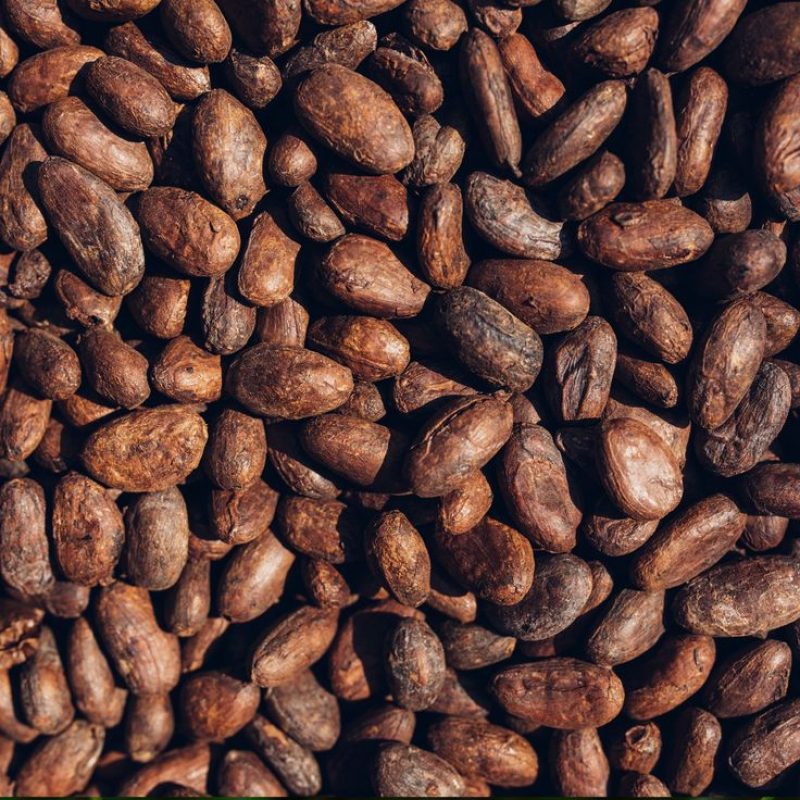
Quality assessment begins long before tasting. The first layer is visual: correctly fermented and dried beans have a distinctive appearance. Good-quality Madagascar beans often show uniform size, clean surfaces, and a consistent chocolate-brown color internally. Beans that are too black, too pale, or uneven in shape often signal improper fermentation or drying—two factors that directly affect flavor performance.

Buyers also examine moisture levels. The optimal moisture content for export-quality cocoa beans is 6–8%, a benchmark supported by International Cocoa Organization (ICCO) standards. Beans above this threshold risk mold growth, off-flavors, spoilage, and weight loss during shipping— issues that professional buyers actively avoid. Madagascar’s naturally warm, breezy climate gives farmers an edge: sun-dried beans here often reach ideal moisture levels without the heavy mechanical intervention required in other regions.

The second layer of inspection is aroma. High-quality cocoa emits a clean, chocolatey, fruity, or floral scent—depending on origin. Madagascar beans famously present notes of red berries, citrus, raisin, and mild spice, a profile repeatedly recognized by the Fine Cacao and Chocolate Institute (FCCI). Any trace of smoke, mold, chemicals, or excessive astringency is a warning sign and often results in immediate rejection by premium buyers.


The Importance of the Cut Test

A critical step in evaluating cocoa bean quality is the cut test, where a random sample of beans is sliced open to reveal their internal structure. This test does more than show color—it reveals the story of the fermentation.

Well-fermented Madagascar beans typically exhibit a uniform brown interior, slight cracking patterns, and a firm texture that breaks cleanly. The ICCO uses the “fermentation index” as a measure of internal browning, with properly fermented beans showing 80–90% brown coloration. Madagascar beans often achieve some of the highest fermentation scores globally due to meticulous village-level processing practices.

Under-fermented beans, by contrast, appear purple or slaty (greyish-black), often with a glassy texture. Over-fermented beans crumble too easily or show signs of mold. The balance is delicate, and Madagascar’s artisanal approach—smallholder farmers fermenting in wooden boxes, monitored carefully over 5–7 days—creates results that are consistently superior.


Flavor Evaluation: The Final Truth of Quality

Ultimately, the true quality of cocoa reveals itself during tasting. Professional tasters evaluate liquor made from ground, roasted beans, assessing acidity, bitterness, astringency, sweetness, aromatic intensity, and the presence of hallmark origin flavors.

Madagascar cocoa, especially from regions like Sambirano and Ambanja, is known for its lively acidity and vibrant fruit character—qualities that premium chocolatiers seek to differentiate their bars in a competitive market. According to FCCI sensory maps, Madagascar beans often score exceptionally high in aromatic intensity, fruit-forward flavor, and clean finish.

Defects such as smokiness, moldy notes, excessive bitterness, metal aftertaste, or flat profiles suggest poor handling, improper drying, or contamination—factors that reputable suppliers like Island Cocoa rigorously eliminate through controlled post-harvest processes.


Why Evaluating Madagascar Cocoa Is Worth the Effort

Understanding cocoa bean quality is not merely a checklist exercise. It is a way to appreciate the craftsmanship woven into every step—from the farmer turning the beans during fermentation to the exporter ensuring safe storage and packaging. Madagascar cocoa rewards these evaluations: the more you analyze it, the more its extraordinary character reveals itself.

For buyers seeking beans that elevate their chocolate, that deliver vibrant sensory profiles, and that consistently meet international quality standards, Madagascar stands as one of the world’s most reliable and remarkable origins. Evaluating cocoa quality is essential, yes—but when the beans are this exceptional, the process becomes a pleasure.